
Beyond the Surface: How Mold Inspections Help Protect Buildings and Occupants
By: Debbie Mattina, CMI | Insurance Deputy Market Director and Ashley Little, PMP | Insurance Market Specialist
When water damage occurs because of heavy rain, plumbing failures, or other sources of excess moisture, property owners typically focus first on locating the source and addressing the immediate problem. However, it’s important to keep in mind that even after the underlying issue has been addressed, mold may already have begun to develop.
Mold can begin developing within 24 to 48 hours of moisture exposure. When moisture remains hidden or is not promptly addressed, conditions can allow mold to spread. Beyond damaging building materials, mold may affect indoor air quality and cause health concerns for occupants. This is why it is important to act fast, as timely inspections are a crucial step in protecting both the property and the people who use it.
Why Mold Should Be Addressed Quickly
Mold can cause significant damage to a property if it is not identified and addressed early. Because it feeds on cellulose (a material found in common building components such as drywall, wallpaper, wood, and insulation), mold can gradually break down these materials and compromise the condition of affected areas. Over time, it may also leave behind permanent discoloration, persistent odors, and deterioration that can impact the usability, appearance, and long-term value of a space.
As previously noted, some mold types do not need much time to become a building concern. Once moisture is present and conditions are favorable, growth can develop behind walls, above ceilings, within insulation, or migrate to additional areas that are not immediately visible. That familiar musty odor is often more than an unpleasant smell. It can be an early warning sign that mold is present and that conditions should be evaluated before damage becomes more extensive.
While protecting property is a key priority, mold can also affect indoor air quality via airborne spores and create concerns for occupants, particularly those who are immunocompromised, or those with allergies and/or asthma. For that reason, timely inspection is an important step in understanding the extent of the issue, supporting proper remediation, and helping maintain a safe, usable indoor environment.
Common Sources of Mold Growth
Mold growth results from exposure to moisture combined with favorable indoor conditions. If mold is discovered, it is typically a sign that water intrusion is present somewhere within the building. One of the first conditions to investigate is a leak or source of moisture, which may stem from compromised plumbing, roofing leaks, foundation seepage, or other hidden building issues. If even a minor leak is detected, it is critical to take immediate action to slow the potential growth of mold.
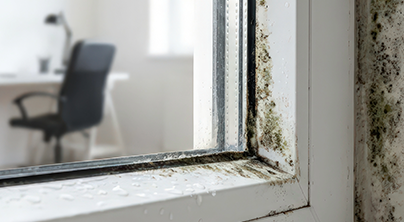
High humidity levels can also cause mold growth, particularly in basements, attics or other unventilated spaces. Bathrooms or kitchens can also be a source of high humidity levels due to trapped steam from showers or cooking. To help reduce the risk of mold growth, the EPA and the American Society of Heating, Refrigerating, and Air-Conditioning Engineers (ASHRAE) recommends controlling indoor humidity levels. This can be achieved with dehumidifiers, improved ventilation, and proper operation of air conditioning systems during warmer weather. It is recommended to address condensation that collects on windows, walls, or pipes, as those can quickly turn into breeding grounds for mold. Condensation is often a sign of high humidity levels.
How Mold Inspections Can Help
If you suspect mold may be present in your property, working with a qualified mold inspector can help identify the issue early and determine the appropriate next steps before conditions worsen.
Inspectors can perform a variety of mold assessments, including visual inspections, moisture mapping, environmental sampling, and preparation of mold remediation plans. Property owners should be aware of any state or local regulations that govern mold assessments and remediation.
By working with an experienced mold assessor, property owners, insurance carriers, and claims professionals can gain a clearer understanding of the site conditions, support appropriate remediation efforts, and help ensure underlying moisture issues are fully addressed to reduce the risk of future mold development.
The Value of Mold Assessments During Insurance Claims
Due to how quickly mold can develop following a moisture intrusion, it is common for mold to become a large part of a property damage claim. When mold develops as the result of a water loss, a professional mold assessment can provide valuable information that supports the claims process and helps all parties better understand the extent and cause of the damage.
An experienced consultant helps identify and document the sources of moisture contributing to mold growth, whether it stems from a plumbing failure, roof leak, storm damage, or another water intrusion event. This information can assist insurance adjusters in evaluating the loss and making informed coverage determinations while providing a clear understanding of the conditions that led to the mold growth.
Just as importantly, identifying the source of moisture helps ensure corrective measures are implemented to address the underlying problem. Simply removing mold without resolving the moisture source can result in recurring conditions that allow mold to return, leading to additional damage, business interruption, and increased costs.
A qualified mold consultant also plays an important role in defining the scope of remediation. Through detailed assessments and moisture mapping, consultants can identify impacted materials and establish a clear remediation protocol for contractors to follow. This helps ensure affected materials are properly delineated, removed, cleaned, or restored as appropriate, while supporting consistency throughout the remediation process.
For insurance carriers, adjusters, property owners, and contractors alike, a well-documented mold assessment provides an objective basis for remediation decisions, helps prevent overlooked damage, and supports a more efficient path toward restoring the property to a pre-loss condition.