
Plan for a Sustainable Future with Stormwater Management
By: Angelica Apolinaris | Project Environmental Planner at H2M architects + engineers
This article originally ran in the May 2025 issue of NJ Municipalities, the official publication of the New Jersey State League of Municipalities.
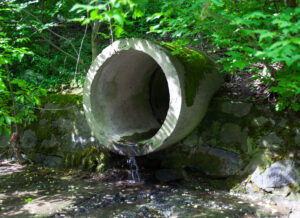
Stormwater management is a key component of any municipal master plan. In the wake of storms, rainwater makes its way through streets, ditches, and other forms of conveyance, picking up pollutants and carrying them to nearby waterways. Through comprehensive stormwater management planning, municipalities can track the movement of this stormwater runoff and develop strategies to intercept the polluted runoff before it reaches and contaminates local bodies of water.
In fact, stormwater management planning is so vital that the State of New Jersey requires that municipalities designated as municipal separate storm sewer systems — those with stormwater conveyance systems comprising roads, ditches, catch basins, and other publicly owned and operated infrastructure elements — regularly develop and submit stormwater management plans.
Experienced planners can help municipalities develop plans designed to meet New Jersey Department of Environmental Protection (NJDEP) compliance requirements, but effective stormwater management planning can also yield valuable benefits in other areas of planning.
Developing New Green Infrastructure
NJDEP regulations already mandate the use of green infrastructure in development projects where stormwater runoff is a potential issue. When strategically introduced into the path of runoff, native trees, shrubs, grasses, and other types of vegetation can create a useful buffer between the source of the runoff and its endpoint, protecting local water bodies from contamination by either absorbing the runoff or filtering out pollutants.
In addition to controlling stormwater runoff, native plantings can also improve air quality, reduce greenhouse gas emissions, and mitigate the urban heat island effect, wherein urban and suburban areas experience warmer temperatures than surrounding rural areas, in part due to a lack of natural landscapes. The urban heat island effect ultimately drives up energy costs and consumption as communities look to solutions like air conditioning to counteract rising temperatures.
Therefore, by reducing the impacts of the urban heat island effect, municipalities can deliver energy savings to residents.
Enhancing Storm Resiliency
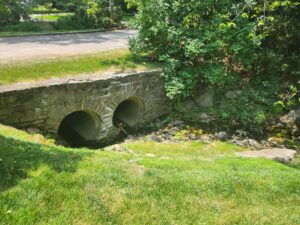
Stormwater management plans are vital for identifying where runoff goes, but just as vital for identifying where it stays. By mapping out the system of conveyances that brings stormwater runoff into local waterways, municipalities can also more easily identify where stagnant stormwater pools up.
When left unchecked, these stagnant waters are a breeding ground for bacteria, fungus, and algal blooms; depending on the source of the water, it can also contribute to saltwater intrusion, wherein the underground freshwater aquifers that provide drinking water are contaminated with saltwater from the ocean.
Inland communities are equally at risk of incurring damage, as flooding from rivers and streams can cause just as much destruction as coastal flooding. However, once those high-risk flood areas are identified through the stormwater management plan, municipalities can mitigate future flood risk by implementing proper drainage and outfitting nearby buildings and infrastructure with flood resiliency measures such as horizontal passive flood barriers.
Managing Existing Infrastructure Assets
Stormwater management planning encourages municipalities to review their own infrastructure management practices as well. Developing a stormwater management plan involves in-depth cataloguing and categorization of municipal assets; once those assets are logged, they can be tracked. Municipalities can monitor infrastructural assets, such as sewer piping, and more accurately anticipate when key pieces of infrastructure require rehabilitation or replacement. Not only does this save the public money in the long term by helping address issues before they become more expensive, but it can protect the local ecology from avoidable leaks, spills, and other environmental disasters.
Conclusion: Talk to an Expert
In order to make the most out of stormwater management planning, municipalities should consult with creative environmental planners who know how to effectively weave stormwater management into every facet of municipal master planning. This will not only help keep local waters clean, but provide an avenue for municipal growth and revitalization.
About the Author
 Angelica Apolinaris is an Environmental Planner at H2M architects + engineers responsible for supporting environmental permitting compliance and planning for a wide variety of clients in the government, education, emergency services, energy, and commercial real estate sectors.
As an Environmental Planner, Angelica leads the development and implementation of Stormwater Management Programs (SWMPs) and preparation of environmental review documentation in accordance with federal and state regulations. Her experience includes performing outfall reconnaissance inventory inspections, digitizing stormwater conveyance system mapping, developing comprehensive SWMP and retrofit plans, preparing and submitting annual stormwater reports, creating standard operating procedures for municipalities, supporting regulatory audits, and drafting environmental compliance documents, such as expanded environmental assessments and environmental impact statements.
About the Company
H2M architects + engineers is a full-service consulting and design firm offering the expertise of more than 580 architects, engineers (water supply, civil/site, structural, MEP, wastewater, and environmental), planners, designers, inspectors, surveyors, and scientists. Our professionals combine their technical experience and specialized market knowledge and respond to our clients’ needs. H2M is proud of its long history of client service and consistent ability to meet architectural, engineering, and environmental challenges head on. H2M offers a practical approach with creative results. For more information, please visit www.h2m.com.